
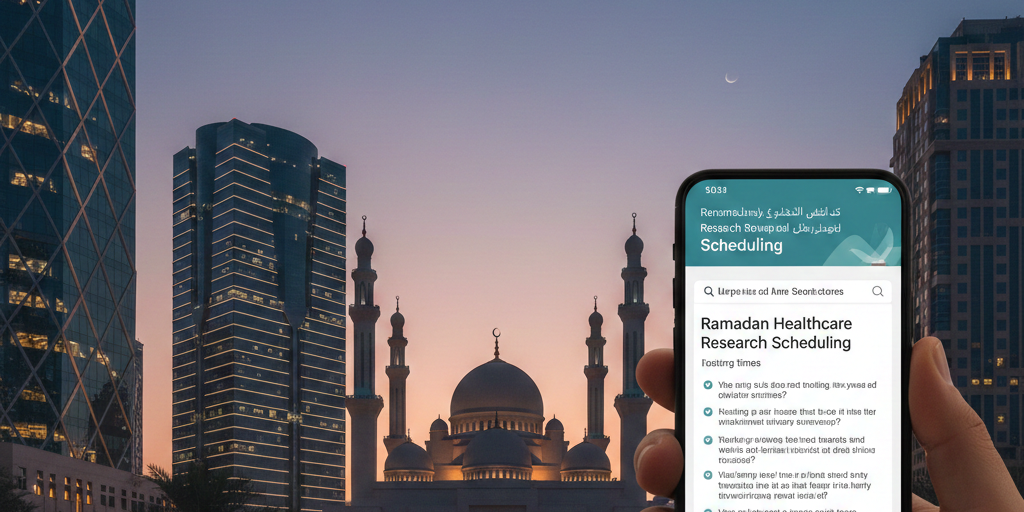
Success in healthcare market research within the Middle East (especially in the GCC region like Saudi Arabia and the UAE) requires a deep understanding of the intersection between Islamic values, traditional social structures, and a rapidly modernizing healthcare landscape.
The following cultural considerations are critical for designing and executing effective research projects:
1. Communication Style and Language
Effective communication in Middle Eastern market research extends beyond literal translation and requires thoughtful linguistic and cultural localization.
- Modern Standard Arabic (MSA) vs. Local Dialects: While Modern Standard Arabic is appropriate for formal documentation, study materials, and regulatory or ethics submissions, the use of local dialects (e.g., Gulf/Khaliji, Levantine, or Egyptian Arabic) during qualitative interviews and fieldwork is often critical. Conducting discussions in the respondent’s native dialect enhances rapport, improves comprehension, and yields more authentic and nuanced insights.
- Impact on Data Quality: Localized language use reduces respondent fatigue, minimizes misinterpretation of concepts, and encourages richer storytelling—particularly when exploring sensitive topics such as health beliefs, treatment behaviors, or physician–patient dynamics.
- Bilingual, Culturally Competent Moderators: Engage moderators and interviewers fluent in both Arabic (MSA and relevant local dialects) and English, enabling accurate probing, real-time clarification of medical terminology, and seamless collaboration with international stakeholders.
2. Modesty and Gender Dynamics
Gender is perhaps the most significant cultural factor in Middle Eastern healthcare research. Traditional norms regarding modesty (Haya) and privacy influence how data is collected and who can participate.
- Gender-Matched Interviewing: For qualitative research (interviews or focus groups), it is often essential to match the gender of the researcher with the participant, especially for female respondents.
- Access Barriers: Some women may postpone or avoid medical interactions due to preferences for female providers; similarly, they may be less willing to engage in research if the facilitator is male.
- Privacy in Discussion: Sensitive health topics (reproductive health, mental health, or personal hygiene) require a safe, private environment where participants feel their modesty is respected.
3. Religious Observances and Timing
The Islamic calendar and daily prayer times significantly dictate the pace of life and availability of participants.
- Ramadan: During the Holy Month, working hours are shorter, and energy levels may be lower due to fasting. Scheduling research during this time is difficult and often requires moving sessions to late evening.
- Prayer Times: Daily schedules revolve around the five prayers. Surveys and interviews should avoid these windows to prevent interruptions.
- Fridays: As the holy day of the week, Friday is typically reserved for family and worship; it is rarely a suitable day for fieldwork.
How should surveys be scheduled around Ramadan and prayer times for the success of healthcare market research projects in the Middle East?
Best Practices for Survey Scheduling
Schedule surveys outside of fasting hours, ideally in the evening after Iftar (the meal breaking the fast) or in the late afternoon, when people are more alert and available.
Avoid scheduling during the five daily prayer times, especially the midday (Dhuhr) and afternoon (Asr) prayers, as these are often observed at workplaces and homes, leading to interruptions and lower participation.
Use digital channels (such as email, social media, or mobile apps) to reach respondents, as these methods are more flexible and can be accessed when individuals have free time, particularly during the evening or after Taraweeh prayers.
Consider the post-Ramadan period for surveys that require deeper engagement or interviews, as people are more likely to be available and willing to participate after the month ends.
Additional Considerations
Be mindful of increased fatigue and reduced productivity during Ramadan; keep surveys concise and user-friendly to minimize respondent burden.
Tailor communication to be culturally sensitive, using appropriate language and timing to show respect for religious observances.
Leverage virtual events or webinars in the evening to engage with healthcare professionals and patients, providing valuable insights while respecting their schedules.
By aligning survey timing with local customs and religious practices, healthcare market research projects in the Middle East can achieve higher response rates and more reliable data.
4. Regulatory and Data Privacy Nuances
The Middle East has unique and evolving regulatory landscapes, such as Saudi Arabia’s Personal Data Protection Law (PDPL).
- Sensitive Topics: Questions regarding mental health, substance use, or certain social behaviors can be perceived as controversial or “taboo.” These must be framed with extreme care to avoid offense or legal issues.
- Incentives: Incentives should be culturally appropriate. For example, e-vouchers for local retailers or charitable donations are often received better than direct cash, which can sometimes be viewed with suspicion in a professional healthcare context.
| Cultural Factor | Impact on Research | Recommended Strategy |
| Gender Norms | High sensitivity in female-focused studies | Use gender-matched moderators. |
| language | Data Quality and Depth Engagement and Trust | Use Bilingual, Culturally Competent Moderators and interviewers in both Arabic and English. |
| Islamic Values | Diet, modesty, and privacy concerns | Ensure imagery/language avoids pork, alcohol, or immodesty. |
| Social Hierarchy | Deference to authority and status | Acknowledge titles and status of healthcare providers (HCPs). |
| Digital Adoption | High smartphone penetration | Use “mobile-first” and online survey designs. |