
The first chapter of the obesity-drug revolution was dominated by one question: How much weight can a medicine help patients lose?
That question propelled GLP-1 therapies into mainstream healthcare and set new expectations for pharmaceutical innovation. But as more treatments enter development, weight-loss efficacy alone may no longer be enough to create meaningful differentiation. The next competitive battle is likely to be broader: Which therapy can deliver the most comprehensive, sustainable improvement in metabolic health.
Weight Loss Is Becoming the Entry Point
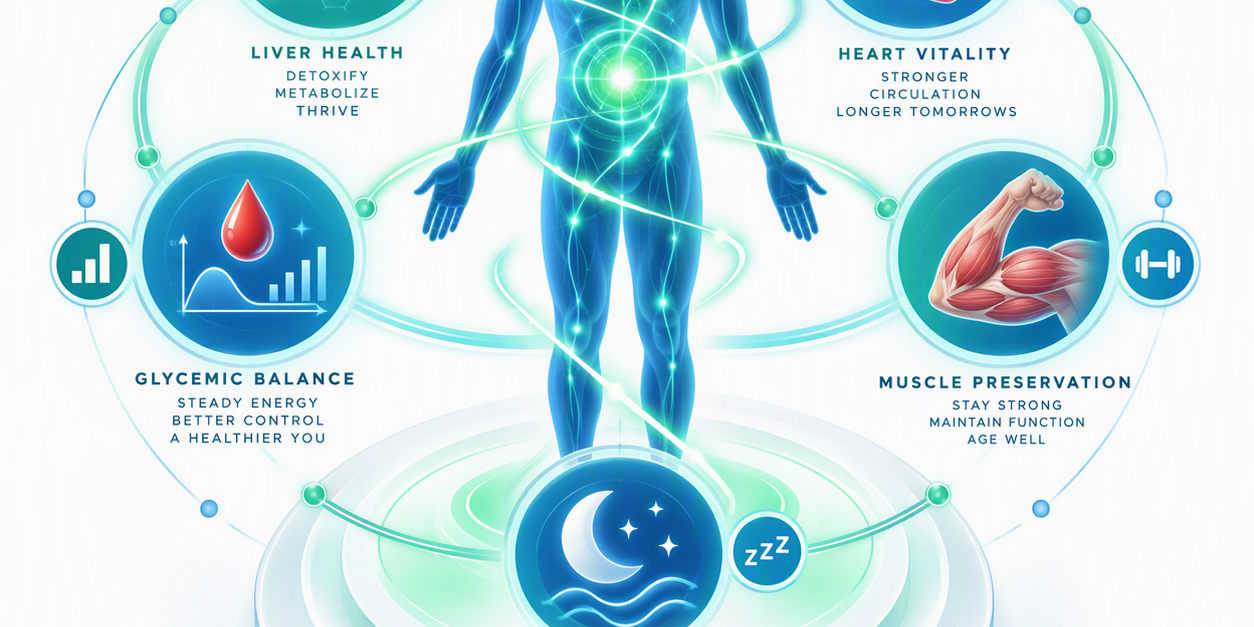
The market is gradually moving beyond viewing obesity as a cosmetic or lifestyle concern. The World Health Organization now describes obesity as a chronic, relapsing disease requiring comprehensive and potentially lifelong care. Treatment may increasingly be assessed not simply through kilograms lost or percentage change in body weight, but through its effect on:
- Cardiovascular risk
- Glycaemic control and diabetes progression
- Liver and kidney health
- Sleep apnoea and functional health
- Body composition and lean-mass preservation
- Long-term weight maintenance
- Quality of life and treatment persistence
This is the difference between selling a weight-loss outcome and delivering a metabolic-health proposition.
Innovation Will Follow the Unmet Needs
The next generation of competition is likely to develop around several areas:
1. Broader metabolic benefits
Dual and triple hormonal mechanisms, combination therapies and new biological targets are being explored to affect appetite, glucose control, energy expenditure and other metabolic pathways. IQVIA describes the pipeline as moving beyond weight reduction toward “whole-body medications.
2. Quality of weight loss
Patients and clinicians may increasingly ask what type of weight is being lost. Preserving muscle and physical function could become important points of differentiation, particularly for older adults and patients receiving long-term treatment.
3. Convenience and adherence
Oral products, less-frequent dosing and more tolerable treatment profiles could reduce the practical burden of therapy. In a chronic market, the most effective medicine on paper may not be the most successful treatment if patients cannot or do not remain on it.
4. Sustained outcomes
The ability to maintain weight reduction and metabolic improvements will matter more as real-world experience grows. WHO notes that evidence concerning long-term safety, maintenance and the effect of stopping treatment remains an important area for continued monitoring.
5. Access and affordability
Clinically advanced therapy cannot transform population health if most eligible patients cannot access it. WHO identifies price, health-system preparedness and equity as major considerations surrounding GLP-1 therapies.
The Patient Journey Will Become More Complex
The patient journey is also likely to move away from a simple sequence of “seek treatment, lose weight and stop.
Instead, it may resemble chronic-disease management:
- Earlier identification, using risk factors and metabolic indicators beyond BMI alone
- Patient segmentation, based on comorbidities, previous treatment, preferences and readiness
- Shared treatment selection, including mechanism, administration route, expected outcomes and affordability
- Continuous monitoring, covering weight, metabolic markers, side effects and functional outcomes
- Long-term support, incorporating nutrition, physical activity and behavioral interventions
- Maintenance or treatment adjustment, based on response, adherence and emerging health needs
Infomine’s previous obesity research similarly emphasized understanding patients’ treatment goals, available options, drivers, obstacles and real-life management experiences, alongside physicians’ prescribing habits and brand perceptions. For pharmaceutical companies, this means that patient-journey research cannot focus only on awareness and brand choice. It must identify where patients disengage, what outcomes they value, how affordability affects continuation, what support they require and how expectations differ among patient segments.
What Will Define the Future Market Leader?
The future leader may not necessarily be the company with the highest average weight-loss percentage. Leadership could depend on the ability to combine:
- Strong and differentiated clinical outcomes
- Evidence across obesity-related diseases
- Convenient administration and tolerability
- Long-term adherence and persistence
- Credible patient-support services
- Payer-relevant health-economic evidence
- Equitable and sustainable access
Conclusion
Yes, competition is likely to shift from “weight loss” toward “metabolic health,” but weight loss will remain an important entry point rather than disappearing as a competitive measure. The market is moving from a single-outcome race to a multidimensional value contest. The next generation of obesity therapies will be judged not only by how much weight patients lose, but by whether they live healthier lives, avoid complications, remain on treatment and sustain meaningful outcomes. For pharmaceutical companies, the strategic challenge is clear: stop positioning obesity treatments as products that simply reduce weight and start demonstrating how they improve the complete metabolic-health journey.